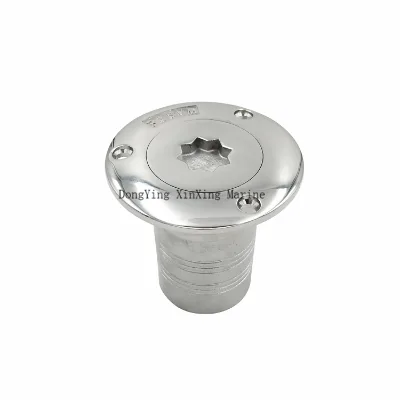
Source Polished Yacht Deck Filler for Marine, Boat, and Outdoor Use
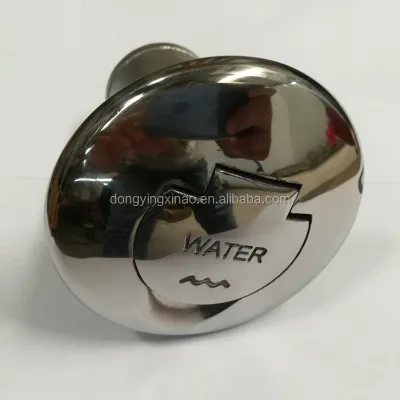
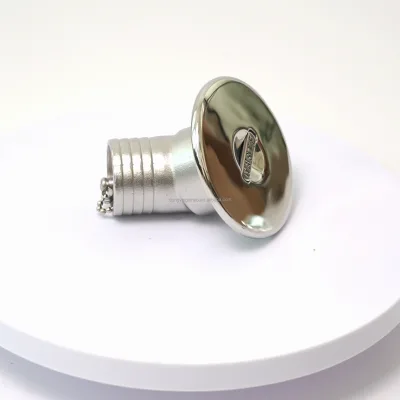
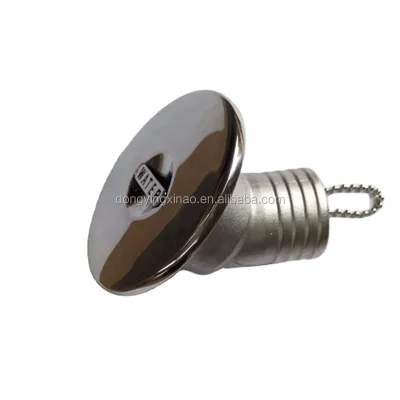
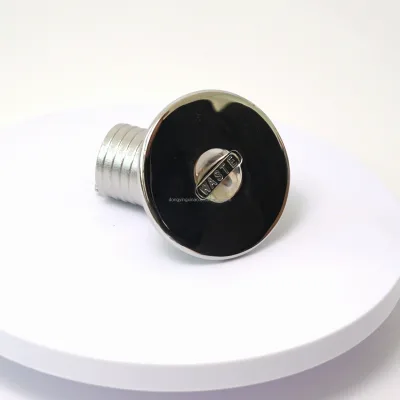
Compare 30 polished yacht deck filler options from verified manufacturers. These marine-grade stainless steel caps feature precision casting and mirror polishing for use on boats, yachts, and outdoor tanks; compare the available evidence and request quotations based on your requirements.
Key considerations
Products List




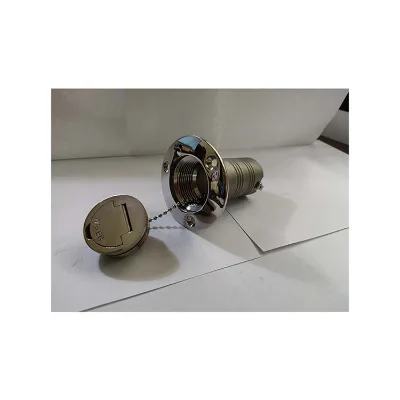
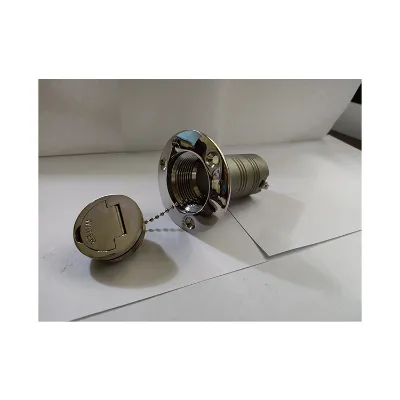
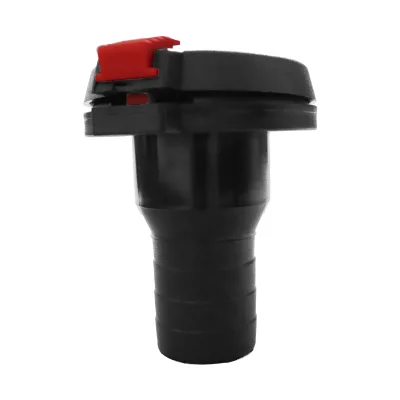
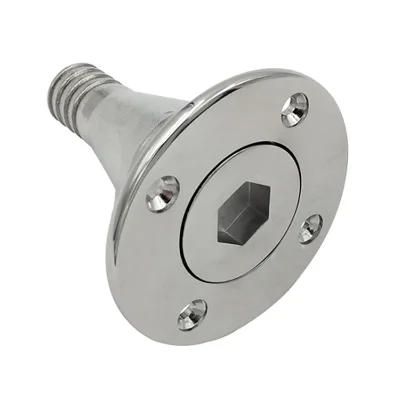
Comprehensive Sourcing Guide
Polished Yacht Deck Filler Sourcing Guide
Sourcing polished yacht deck filler components requires a precise understanding of marine-grade material properties and surface finish standards. Buyers must prioritize stainless steel 316 construction to ensure resistance to saltwater corrosion, which is critical for longevity in harsh marine environments. The polished surface treatment, often described as mirror or satin, not only enhances aesthetic appeal but also facilitates easier cleaning and maintenance. Procurement teams should verify that the material grade matches the specific environmental exposure, whether for freshwater, saltwater, or mixed-use applications.
The customization options available in the market allow for tailored solutions that fit unique vessel designs. Manufacturers often accept custom drawings or samples, enabling buyers to specify exact dimensions and mounting configurations. This flexibility is essential for retrofitting older vessels or integrating new components into custom yacht builds. Buyers should communicate their specific size requirements, such as 38mm or 50mm diameters, early in the sourcing process to ensure compatibility with existing tank systems and deck structures.
Product Scope and Observed Listing Signals
The current market offers a variety of polished yacht deck fillers, including flush mount and angled neck designs. These components serve multiple functions, accommodating fuel, gas, water, diesel, and waste tank fillers. The observed product range includes models with keyless caps and those requiring keys for security, providing options based on the vessel's security needs. Buyers should assess the specific use environment, whether for marine, home, or outdoor applications, to select the most appropriate design.
Listing signals indicate that many suppliers offer customization and OEM services, catering to both individual boat owners and large-scale manufacturers. The presence of factory-direct sourcing suggests potential cost advantages, although buyers must verify quality control measures. Products are typically packed in cartons, wooden pallets, or bubble plastic to prevent damage during transit. Understanding these packaging methods is crucial for logistics planning, especially when importing from regions like Liaocheng or Shandong in China.
Technical Specifications to Verify
Verifying technical specifications is paramount to ensuring the durability and functionality of the deck filler. Buyers should confirm the material composition, specifically looking for marine-grade stainless steel 316, which offers superior corrosion resistance compared to standard grades. The surface treatment should be polished to a mirror or satin finish, which not only looks professional but also reduces the accumulation of dirt and salt. Additionally, the casting process, often precision casting, should be evaluated for structural integrity and dimensional accuracy.
Size and standard compliance are critical technical factors that must be checked against the vessel's requirements. Common sizes include 38mm and 50mm, with some models adhering to specific standards like ISO, JIS, ANSI, DIN, GB, or ASTM. Buyers must ensure that the selected filler neck matches the existing tank opening or plan for necessary modifications. The model numbers, such as SH021-001-2 or SH021-002-01, can help in identifying specific product features and compatibility with other marine hardware components.
Compliance and Safety Documentation
Compliance with international standards is essential for marine components to ensure safety and reliability. Buyers should request documentation that verifies adherence to relevant standards such as ISO, DIN, GB, and ASTM. These standards govern aspects like material quality, manufacturing processes, and performance under stress. Certifications like ISO9001:2008 and CE indicate that the manufacturer follows established quality management systems and meets European safety requirements, which is particularly important for vessels operating in regulated waters.
Safety features, such as key-operated caps, prevent unauthorized access to fuel and water tanks, reducing the risk of theft or accidental contamination. Buyers should verify that the locking mechanisms are robust and resistant to corrosion. Additionally, the design should prevent water ingress into the tank, which can cause fuel contamination or structural damage. Ensuring that the product meets these safety and compliance criteria is crucial for maintaining the vessel's operational integrity and legal standing.
Cost Drivers and Commercial Terms
Several factors influence the cost of polished yacht deck fillers, including material quality, surface finish, and customization level. Marine-grade stainless steel 316 is more expensive than standard steel due to its enhanced corrosion resistance. The polishing process, whether satin or mirror, also adds to the production cost. Buyers should consider the total cost of ownership, including maintenance and replacement frequency, rather than just the initial purchase price.
Commercial terms such as MOQ, lead time, and payment conditions vary among suppliers. While some suppliers offer low MOQs of 1 piece, others may require 20 pieces or more. Lead times can range from 20 to 25 days after deposit confirmation, depending on the order size and customization requirements. Buyers should negotiate clear terms regarding packaging, shipping, and warranty to avoid unexpected costs and delays. Understanding these commercial dynamics helps in budgeting and planning procurement activities effectively.
Supplier Qualification and Quality Control
Qualifying suppliers involves assessing their manufacturing capabilities, quality control processes, and track record. Buyers should verify that the supplier has a factory presence and adheres to strict quality standards. Requesting samples before placing bulk orders allows for physical inspection of the material, finish, and fit. Suppliers who accept OEM orders and provide custom solutions often have more flexible and robust production lines, which can be beneficial for unique requirements.
Quality control measures should include material testing, dimensional checks, and surface finish inspections. Buyers should inquire about the supplier's testing protocols and whether they conduct third-party inspections. Documentation of quality control processes, such as inspection reports and material certificates, provides assurance of product consistency. Establishing a clear communication channel with the supplier for addressing defects or discrepancies is also essential for maintaining a reliable supply chain.
Long-Term Procurement Checks
Long-term procurement success depends on continuous monitoring of supplier performance and product quality. Buyers should establish regular review cycles to assess delivery times, product consistency, and customer service responsiveness. Maintaining a relationship with a reliable supplier ensures access to consistent quality and potential cost savings over time. Regular audits or site visits, if feasible, can provide deeper insights into the supplier's operations and commitment to quality.
Market trends and technological advancements in marine hardware should also be monitored to stay competitive. Buyers should be open to upgrading to newer designs or materials that offer improved performance or aesthetics. Building a diversified supplier base can mitigate risks associated with single-source dependencies. By staying informed and proactive, buyers can ensure that their yacht deck filler procurement strategy remains effective and aligned with evolving industry standards and vessel requirements.
FAQs
What materials are used for polished yacht deck filler caps?
These caps are made from Marine Grade Stainless Steel 316 to ensure durability in harsh marine environments. The material selection supports long-term resistance against corrosion and saltwater exposure for both fuel and water tank applications on boats.
Can I order customized sizes for these boat fuel filler caps?
Yes, customization is available based on specific drawings or samples provided by the buyer. The product offers size options including 38mm, 50mm, and 1-1/2 inches, allowing for precise fitting to various vessel requirements and deck configurations.
Which certifications do these marine fuel caps meet?
The products comply with international standards including ISO, JIS, ANSI, DIN, GB, and ASTM. Specific items also hold ISO9001:2008 and CE certifications, ensuring quality management and safety compliance for global export markets and marine applications.
How is the surface finish of the polished deck filler achieved?
The surface treatment involves precision casting followed by mirror polishing to achieve a high-gloss finish. This process ensures a smooth, aesthetically pleasing appearance while maintaining the structural integrity required for flush mounting on yacht decks.
What is the minimum order quantity for these stainless steel caps?
The minimum order quantity varies by product, ranging from 1 piece to 20 pieces depending on the specific model. Some listings indicate an MOQ of 1 PCS, while others require 20 PCS, allowing flexibility for different buyer needs.
Where are these boat fuel filler caps manufactured?
These products originate from factories located in Liaocheng and Shandong, China. The manufacturing facilities are equipped to handle precision casting and surface treatments required for high-quality marine hardware used in global yacht and boat applications.
How long does it take to receive the order after deposit?
The delivery time is typically 20 to 25 days after the deposit is confirmed. This lead time accounts for the precision casting, polishing, and packaging processes required to prepare the marine grade stainless steel caps for shipment.